
Sauces & Condiments
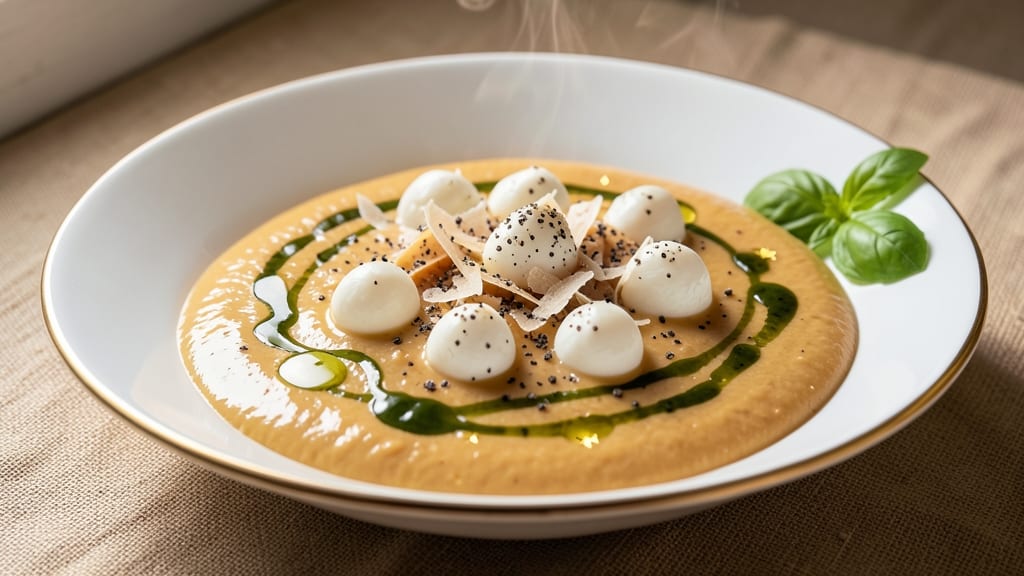
This Alfredo sauce recipe with mozzarella and parmesan delivers restaurant-quality richness with a velvety texture that clings perfectly to pasta. The secret lies in balancing creamy mozzarella with sharp parmesan, creating a sauce that's both indulgent and well-rounded.
I've perfected this version after years of testing—no lumps, no separation, just smooth perfection every time.
The foundation starts with butter and garlic, which build flavor before introducing heavy cream and grated cheeses. Mozzarella provides that signature creaminess, while parmesan adds depth and umami. The sauce thickens beautifully without needing thickeners, and it reheats just as smoothly as it cooks.
This isn't your basic Alfredo—it's a double-cream cheese fusion that elevates any dish.
What makes this sauce truly special is its versatility. Toss it with fettuccine for classic alfredo, drizzle it over grilled chicken, or use it as a creamy base for vegetables.
The consistency is ideal—thick enough to coat but light enough to let other ingredients shine. Once you try this version, you'll never go back to the basic recipe again.
Best of all, it keeps well in the refrigerator for up to 5 days, making it perfect for meal prep. The sauce can also be frozen for longer storage, though I recommend reheating it gently to preserve that velvety texture.
Let's create this foolproof Alfredo that will become your new go-to sauce.
Ingredients for alfredo sauce recipe with mozzarella and parmesan
Nine ingredients, restaurant-quality sauce—no thickeners, no lumps, just velvety perfection.
| Ingredient | Amount | Notes |
|---|---|---|
| Unsalted Butter 🧈 | ½ cup | Cold, cubed for even melting |
| Garlic Cloves 🧄 | 4 cloves | Minced, not pre-minced jarred |
| Heavy Whipping Cream 🥛 | 1 ½ cups | Full-fat for maximum creaminess |
| Fresh Mozzarella 🧀 | 8 oz | Fresh, not low-moisture shreds |
| Parmesan Cheese 🧀 | 1 cup | Freshly grated from block |
| Extra-Virgin Olive Oil 🫒 | ¼ cup | For finishing, fruity variety |
| Diamond Crystal Kosher Salt 🧂 | ½ tsp | Fine grain preferred |
| Freshly Ground Black Pepper 🌶️ | ¼ tsp | Freshly cracked preferred |
| Nutritional Yeast 🍞 | 1 tbsp | For umami depth (optional) |
| Freshly Squeezed Lemon Juice 🍋 | 1 tsp | Brightens flavor |
The cheeses are non-negotiable here. Fresh mozzarella from the deli section (not the pre-shredded bag) gives that signature creaminess, while Parmigiano-Reggiano from a wedge adds depth. I always grab mine from Whole Foods or a specialty cheese shop—the difference is noticeable. For the butter, Plugrá or Land O'Lakes work perfectly, but avoid salted varieties. The garlic? Freshly minced (not jarred) releases more flavor when cooked low and slow. If you're short on time, Trader Joe's sells pre-minced garlic in tubes that work in a pinch.
No heavy cream? Full-fat coconut milk gets you close, though the texture will be slightly different. Short on mozzarella? Ricotta or mascarpone can substitute at half the amount, but the sauce will be lighter. The nutritional yeast is optional but adds that savory punch—Bob's Red Mill is my go-to brand. For the olive oil, California Extra Virgin brands like Corto or Kirkland add a nice fruity finish. If you're making this ahead, hold off on the lemon juice until reheating—it keeps the sauce fresher longer. And trust me, freshly ground pepper makes all the difference.
This sauce reheats beautifully—just warm it gently on the stove with a splash of milk or cream to restore that velvety texture. Keeps for 5 days in the fridge, sealed tightly in a jar. For longer storage, freeze in 1-cup portions—thaw overnight in the fridge. The mozzarella will separate slightly when frozen, but stir vigorously when reheating. I always make a double batch—one for pasta night, one to drizzle over grilled veggies the next day. The leftovers? Game-changers for meal prep.
Why You'll Love This Recipe
- Five-Ingredient Magic: I swear, this sauce comes together with just butter, garlic, cream, and two cheeses—no fancy techniques, no stress. The mozzarella melts into that velvety cream while the Parmesan adds depth, and honestly? You’ll forget it’s supposed to be hard.
- Rich Without Effort: That first bite of buttery garlic cream with melted mozzarella? It’s like a hug in sauce form. The heavy cream makes it impossibly smooth, while the Parmesan gives it that sharp, salty finish that keeps you going back for more.
- Weeknight to Dinner Party: Between us, this sauce works for spaghetti on a Tuesday or fettuccine at a holiday gathering. The mozzarella keeps it creamy but not too heavy, and the Parmesan makes it feel special—no one will guess it’s this unfussy.
- Leftovers That Don’t Let You Down: I make a double batch every time because the leftovers reheat like a dream. The cream doesn’t separate, the cheese stays gooey, and it’s still just as good the next day—perfect for lazy lunches or last-minute takeout nights.
Step-by-step instructions for creamy mozzarella-parmesan Alfredo sauce
Here's how to create a luxurious, velvety sauce that balances rich creaminess with bright, cheesy depth.
Melt Butter and Sauté Garlic Until Fragrant
In a heavy-bottomed saucepan, melt the 0.5 cup unsalted butter over medium-low heat. I use medium-low because butter burns easily, and you want it to melt smoothly without browning. Once fully melted, add the 4 cloves minced garlic and cook for 1-2 minutes until just fragrant—not browned, just perfumed. This step builds the aromatic foundation for your sauce.
Watch the garlic carefully—it burns quickly. When it releases its aroma but hasn't turned golden, you're ready for the next step. If it starts to brown, remove the pan from heat immediately and let it cool slightly before proceeding. The goal is to infuse flavor without bitterness.
Incorporate Cream and Nutritional Yeast for Depth
Reduce heat to low and slowly pour in the 1.5 cups heavy whipping cream. Stir gently to combine, being careful not to create any lumps. Add the 1 tbsp nutritional yeast and stir until fully dissolved. The nutritional yeast adds a savory umami note that elevates the sauce beyond basic Alfredo.
Let the mixture simmer gently for 3-4 minutes until it begins to thicken slightly. You're not looking for a heavy reduction yet—just enough to create a smooth base. If the sauce starts to bubble vigorously, reduce the heat to maintain a gentle simmer. This controlled cooking prevents curdling and ensures a silky texture.
Add Mozzarella and Parmesan for Cheesy Luxury
Remove the saucepan from heat and add the 8 oz fresh mozzarella and 1 cup freshly grated parmesan cheese. Stir vigorously with a wooden spoon until the cheeses melt completely and the sauce becomes thick and glossy. This step is where the magic happens—the combination of creamy mozzarella and sharp parmesan creates that signature Alfredo richness.
If the sauce looks too thick after stirring, return it to low heat for 1-2 minutes to help it emulsify. Avoid boiling—the heat can cause the cheese to separate. The sauce should coat the back of a spoon smoothly, with no graininess. If it's still too thick, we'll fix that in the next step.
Finish with Olive Oil and Seasonings
Return the sauce to low heat and stir in the 0.25 cup extra-virgin olive oil, the 0.5 tsp kosher salt, 0.25 tsp black pepper, and 1 tsp freshly squeezed lemon juice. The olive oil adds a fruity brightness that cuts through the richness, while the lemon juice prevents the cheese from becoming too heavy. Stir constantly for 1-2 minutes until everything is fully incorporated.
Taste and adjust seasoning if needed. The sauce should be rich but not salty, creamy but not heavy. If it's too thick, thin it with 1-2 tablespoons of warm pasta water (reserved from cooking your noodles) until you reach your desired consistency. The final sauce should coat the back of a spoon but still flow smoothly.
Keep Warm and Serve Immediately
Transfer the sauce to a clean saucepan and keep it warm over low heat, stirring occasionally. Alfredo sauce is best served immediately over hot pasta—it thickens as it cools, so don't let it sit too long. When ready to serve, toss it generously with your cooked pasta and garnish with additional freshly grated parmesan and black pepper if desired.
For the perfect presentation, serve the sauce immediately after tossing with pasta. The residual heat from the noodles will help maintain its silky texture. If you need to hold it for more than 15 minutes, keep it warm in a slow cooker on the "warm" setting, stirring occasionally to prevent skin formation. This sauce is all about freshness and temperature control—don't let it sit too long before serving.
Pro Tips For Making Alfredo Sauce Recipe With Mozzarella And Parmesan
- Melt Butter Slowly: Start with cold butter—chunks, not melted—and let the pan warm gradually over medium-low heat. I learned this the hard way: rushing the butter turns your sauce into a greasy mess instead of a creamy dream. The butter should foam gently before you even think about adding garlic.
- Shred Mozzarella Fresh: Skip the pre-shredded bag—it’s coated in anti-caking agents that make your sauce grainy. Grab a box grater or knife and shred your own mozzarella right before mixing it in. If you’re using low-moisture mozzarella, pat it very dry with paper towels first. Trust me, the texture difference is night and day.
- Simmer, Don’t Boil: Once you add the cream, keep the heat at a whisper—lowest setting that maintains a gentle simmer. Boiling the cream will curdle it, and you’ll end up with a sad, lumpy sauce. Stir often, but not aggressively; just enough to keep things moving.
- Toast the Garlic: Smash those garlic cloves with the flat of your knife before tossing them in—it releases more flavor. Cook them in the butter until they’re golden, not brown (that’s bitter). Remove them immediately after topping out at 3 minutes; overcooking turns your sauce into a bitter aftertaste.
Perfect pairings for this dish
Pasta Pairings
This creamy sauce pairs best with fettuccine or tagliatelle—their wide, flat surfaces catch the sauce beautifully. I always cook 8 oz of pasta per person and reserve ½ cup pasta water to thin the sauce if needed.
For extra indulgence, try pappardelle or linguine, but avoid thin noodles like spaghetti—they break too easily under the sauce's weight. 🍝
For a lighter option, toss with zucchini noodles or shirataki noodles—the sauce clings perfectly while keeping the dish lighter. If you're feeling adventurous, try gluten-free fettuccine made from brown rice or chickpea flour. Just be sure to reserve extra pasta water, as gluten-free noodles release less starch.
Protein Pairings
Grilled chicken breast becomes a showstopper with this sauce—simply drizzle it over 6-8 oz of sliced chicken and garnish with fresh parsley. The sauce's richness complements the protein beautifully without overpowering it.
For a seafood twist, try shrimp scampi—toss the sauce with ½ lb of cooked shrimp and finish with lemon zest. 🍗
For a vegetarian option, serve over roasted eggplant or portobello mushrooms—the sauce's creaminess enhances the earthy flavors. I also love it on stuffed bell peppers—just spoon the sauce into halved peppers and broil until bubbly. The sauce reheats perfectly, making it ideal for meal prep.
Vegetable Enhancements
Add sautéed spinach or roasted asparagus to boost nutrition without sacrificing flavor. Simply wilt 2 cups fresh spinach in the sauce for 1-2 minutes before serving. For extra texture, stir in crispy pancetta or crumbled bacon—the smoky saltiness balances the creaminess perfectly. 🥦
Roasted broccoli or cauliflower pairs wonderfully—toss the sauce with steamed florets and a sprinkle of red pepper flakes for heat. If you're serving this as a dip, pair it with warm crusty bread or pita chips for scooping. The sauce's versatility makes it perfect for both main dishes and appetizers.
Beverage Pairings
A crisp Pinot Grigio from Italy cuts through the sauce's richness beautifully—its citrus notes complement the lemon in the sauce. For red wine lovers, a light Chianti adds earthy depth without overpowering. I also enjoy a sparkling water with lemon for a refreshing contrast during summer months. 🍷
For non-alcoholic options, try an iced hibiscus tea—the tartness balances the creaminess perfectly. A cold brew coffee with a splash of cream also pairs surprisingly well, especially for breakfast. If you're serving this at a brunch, a mimosas with orange juice adds a festive touch while cleansing the palate.
Nutrition facts
Frequently asked questions
Why does your recipe use both mozzarella and parmesan?
The combination creates the perfect balance—mozzarella provides that signature creamy texture while parmesan adds depth and umami. Mozzarella melts smoothly for richness, while parmesan's sharpness prevents the sauce from tasting too heavy. This duo is what makes this sauce so much better than basic recipes that rely solely on cream or just one cheese.
Can I make this sauce without heavy cream?
Yes, but the texture will be lighter. Replace the cream with full-fat coconut milk (same amount) or half-and-half for a slightly thinner consistency. For a dairy-free option, use cashew cream (soaked cashews blended with water) but reduce to 1 cup—the sauce will be less rich but still delicious. The key is to maintain the same liquid-to-cheese ratio.
What's the best way to prevent lumps in the sauce?
Low and slow is the secret! Keep heat at medium-low when adding cream and cheeses, and stir constantly. Remove from heat before adding cheeses to prevent overheating. If lumps form, blend briefly with an immersion blender—just 5-10 seconds is all you need. Never boil the sauce, as this causes separation. The mozzarella should melt completely before returning to heat.
How do I adjust the consistency if it's too thick?
Thin with 1-2 tablespoons of warm pasta water at a time, stirring constantly. Start with less—you can always add more. For a smoother texture, blend briefly with an immersion blender. If reheating leftovers, add 1 tablespoon of milk or cream per cup of sauce and warm gently. The sauce should coat the back of a spoon but still flow smoothly when drizzled.
Can I freeze this sauce for later use?
Portion into 1-cup containers and freeze for up to 3 months. Thaw overnight in the fridge, then reheat gently on low heat with 1 tablespoon of milk or cream per cup. Stir vigorously as it warms—the mozzarella may separate slightly but will re-emulsify with proper stirring. For best results, freeze only the sauce (not mixed with pasta) to maintain texture.